


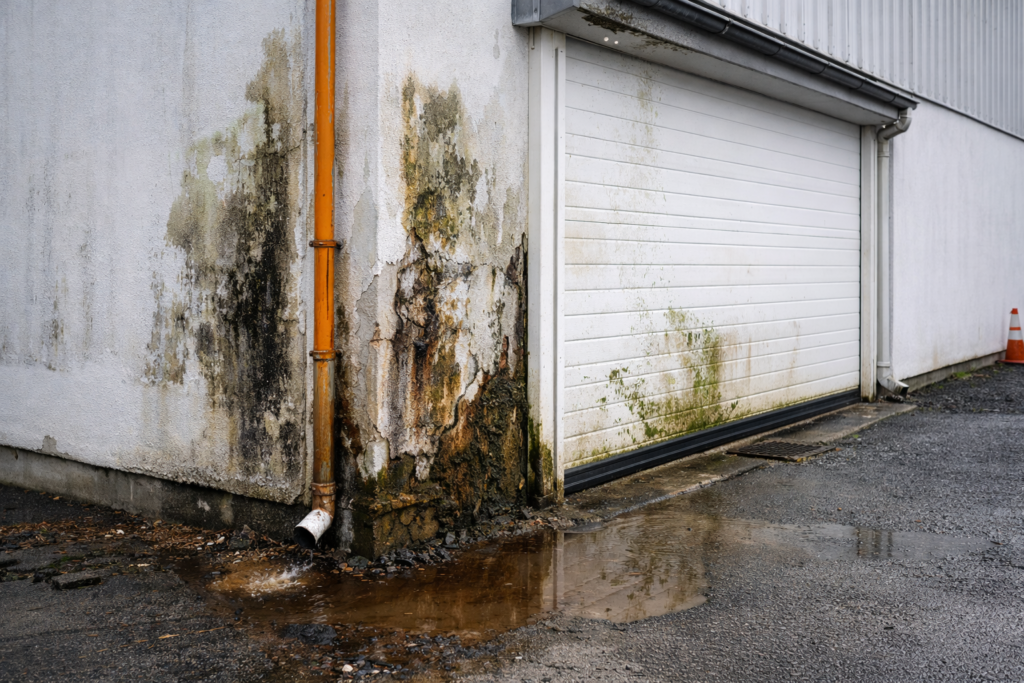
Water damage is a silent saboteur. It works slowly, hidden behind walls and under floors, compromising the very bones of your building long before you see a major issue. At White Metal, we have seen how early signs are often ignored and how quickly they can turn into major structural issues. In this blog,g we will help you understand the clear warning signs your building needs waterproofing right now and what you can gain by acting early with the right technical solutions and expert guidance.
What Is Waterproofing And Why Does It Matter?
Waterproofing is the process of protecting a building’s structure from water ingress by applying specialized systems that block the movement of moisture. This includes membrane coatings, sealants, and drainage solutions designed for different parts of a building. Waterproofing is not just about stopping visible leaks. It is about preserving the strength of concrete, protecting steel reinforcement, and maintaining a healthy indoor environment.
Common Causes Of Water Leakage In Buildings
Water leakage does not happen without a reason. In most cases, it is caused by construction joints that are not sealed properly, aging waterproofing layers, poor drainage design or cracks formed due to structural movement. Roof slab,s, bathrooms, balconies, basements, and service ducts are the most common entry points for water.
Over time, materials expand and contract. If the original waterproofing system was poorly selected or applied incorrectly, it begins to fail.
Visible water leakage and seepage: The most obvious sign is visible water leakage. This could be dripping water, active seepage through walls, or moisture appearing after using bathrooms or during cleaning activities. Even slow seepage is a warning. Water always finds a pathand once it enters it spreads.
Damp walls, ceilings, and floors: Dampness is a silent indicator. Walls that feel cool and moist ceilings that remain damp long after cleaning or floors that show moisture patches are signs of trapped water. This often points to failed membranes or moisture rising through capillary action in concrete.
Peeling paint and damaged plaster: Moisture trapped behind the surface is breaking the bond between materials. Repainting without waterproofing only hides the problem temporarily. Proper waterproofing stops moisture movement and protects finishes from future damage.
Cracks in roofs, walls, and concrete structures: Cracks are natural in buildings, but not all cracks are harmless. Structural cracks, thermal movement cracks, and shrinkage cracks can all allow water ingress. Roof slabs and external walls are especially vulnerable. It’s important to analyse crack patterns and depth before recommending a solution. Injection systems, flexible membranes, and protective coatings are selected based on technical requirements not guesswork.
Mold mildew, and fungal growth: Mold growth is a strong sign of moisture presence. It affects indoor air quality and can cause health issues for occupants. Mold usually appears in corners behind furniture or in poorly ventilated areas, but the source is almost always water ingress. Professional Waterproofing contractors understand that removing mold without stopping moisture is ineffective.
Water stains and surface discoloration: Yellow, brown, or dark stains on walls and ceilings indicate water movement within the structure. These stains often reappear even after painting. They show that water carries minerals and impurities through concrete and plaster layers.
This is common in ceiling slabs below bathrooms or roof areas. Identifying the exact source allows us to apply targeted waterproofing systems instead of broad, unnecessary repairs.
Roof ponding and drainage issues: Standing water on roofs after cleaning or rainfall activities is a serious concern. Ponding increases load on slabs and accelerates membrane failure. Poor slope design or blocked drainage outlets are common causes.
Basement and foundation moisture problems: Basements and foundations are constantly exposed to moisture from the surrounding soil. Signs include damp walls, musty smell, peeling coatings, and visible seepage lines. Ignoring these signs can weaken foundation integrity over time.
Impact Of Delayed Waterproofing On Structural Safety
Procrastination is costly. Ongoing water ingress corrodes steel reinforcement bars (rebar) within concrete. As the rebar rusts, it expands, causing the concrete to crack and spall from the inside out. This silently reduces the load-bearing capacity of columns, slabs, and beams, posing a long-term safety risk. What starts as a damp patch can evolve into a structural emergency.
When To Opt For Immediate Waterproofing Solutions
Immediate action is needed when you notice recurring leaks, structural cracks, persistent dampness,s or mold growth. If multiple signs appear together, it indicates a system failure. This is the stage where expert assessment is critical.
Choosing experienced Waterproofing contractors UAE ensures that solutions are based on technical analysis rather than temporary fixes.
Choosing The Right Waterproofing System
There is no one-size-fits-all solution. The right system depends on the area, roof, bathroom, basement, or terrace, and the substrate. Options include liquid-applied membranes, cementitious coatings, polyurethane injections for cracks, and bentonite clay membranes. This is where technical expertise is paramount. A reputable contractor will diagnose the source, not just the symptom, and prescribe a system tailored for lasting protection.
Conclusion
Waterproofing is not a reactive task. It is a protective investment in your building’s safety and value. The signs are often visible long before serious damage occurs. By understanding these warning signals, you can take informed action and avoid costly structural repairs.