


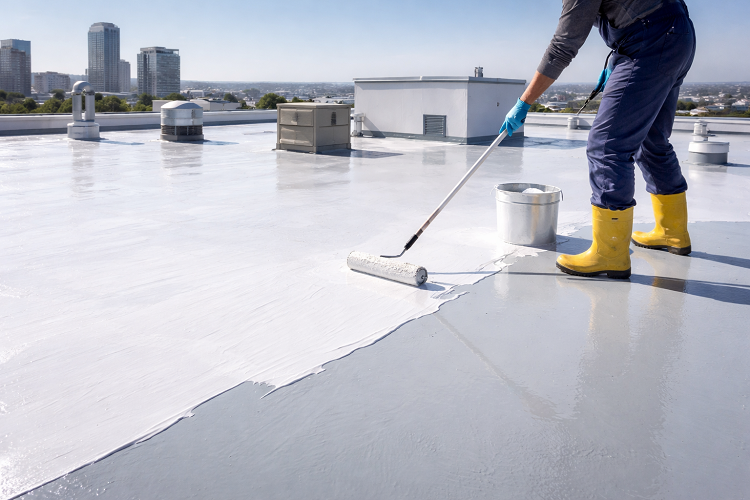
Water has a clever way of finding the weakest link in our structures, turning our investments into a constant battle against decay and damage. Whether it is a roof, basement, parking deck, or concrete slab, once water finds a way in, it can weaken the structure, damage interiors, and lead to expensive repairs. This is why choosing the right waterproofing system is not just a construction decision. It is a long-term protection strategy. One solution that has gained strong trust in the construction industry is the polyurethane waterproofing system. Known for its flexibility, durability, and strong adhesion, this advanced system provides seamless protection for many structural surfaces.
In this blog, we will help you understand how polyurethane waterproofing works, the benefits of polyurethane waterproofing, where it is commonly used in construction, and how the right application can significantly improve the life of your building.
What Is A Polyurethane Waterproofing System
A polyurethane waterproofing system is a liquid-applied waterproofing solution that forms a seamless protective membrane on surfaces. Once applied, the liquid material cures and creates a flexible layer that prevents water from penetrating the structure. A polyurethane waterproofing membrane, however, can often stretch by more than 500% of its original size and snap back into place without tearing. Unlike sheet membranes that are installed in segments, liquid polyurethane waterproofing forms a continuous layer without joints. This seamless coverage is one of the reasons it is widely preferred for critical waterproofing applications.
The system typically consists of:
• A primer that prepares the surface
• A polyurethane waterproofing coating that forms the protective layer
• In some cases, reinforcement layers for additional durability
Once cured, the polyurethane waterproofing membrane becomes elastic and resistant to water infiltration. It can also adapt to slight structural movements without cracking, which is essential for concrete structures.
Why Polyurethane Waterproofing Is Used In Construction
Construction professionals often choose polyurethane waterproofing because of its ability to protect complex surfaces and structural areas where traditional waterproofing methods may struggle. The liquid nature of liquid polyurethane waterproofing allows it to penetrate small pores and cracks in concrete. When it cures, it seals these weak points and forms a strong protective barrier.
Another reason it is widely used in waterproofing Dubai projects and other large-scale developments is its ability to bond strongly with different substrates such as concrete, metal, and cement-based materials.
Because the system creates a continuous layer, it eliminates the risk of water entering through joints or overlaps. This reliability makes the polyurethane waterproofing system suitable for both new construction and renovation projects.
Key Benefits Of Polyurethane Waterproofing System
The benefits of polyurethane waterproofing extend beyond simple water resistance. It provides several technical advantages that make it suitable for demanding construction environments.
• Seamless waterproofing layer
• Excellent elasticity
• Strong adhesion to surfaces
• Crack bridging capability
• Long term durability
Applications Of Polyurethane Waterproofing In Construction
Because of its flexibility and strong bonding properties, polyurethane waterproofing is used in many structural areas where reliable protection is required.
Some common applications include:
• Roof slabs
• Parking decks
• Podium decks
• Basements
• Concrete water retaining structures
• Wet areas and terraces
Polyurethane Waterproofing For Roofs And Terraces
One of the most common applications is polyurethane waterproofing for roofs. Roof slabs are constantly exposed to water accumulation, temperature variations, and surface movement. Traditional sheet membranes may develop weak points at overlaps, which increases the risk of leakage.
A polyurethane waterproofing membrane forms a seamless protective layer across the roof surface. This ensures consistent waterproofing even around difficult areas such as drainage outlets, pipes, and joints. Because liquid polyurethane waterproofing can easily cover complex shapes and corners, it is especially effective for terraces and rooftop systems.
Polyurethane Waterproofing For Basements And Concrete Structures
Basements and underground structures face constant moisture exposure from surrounding soil and groundwater. A polyurethane waterproofing system can create a highly effective barrier that prevents water infiltration into concrete walls and slabs.
In these applications, polyurethane waterproofing coating helps protect the reinforcement inside concrete from corrosion caused by water penetration. This type of waterproofing is also commonly used for retaining walls, concrete foundations, water tanks, and underground parking structures. In many waterproofing Dubai projects, contractors rely on polyurethane waterproofing because it provides both flexibility and strong water resistance.
Factors To Consider Before Applying Polyurethane Waterproofing
To achieve the best results from a polyurethane waterproofing system, several technical factors should be considered before application.
- Surface preparation
- Moisture levels
- Thickness of application
- Professional installation
Tips for Long-Lasting Polyurethane Waterproofing Protection
If you want your polyurethane waterproofing system to deliver long-term performance, a few best practices can make a significant difference.
• Always ensure thorough surface preparation before applying the polyurethane waterproofing coating
• Follow recommended curing times to allow the membrane to fully develop its strength
• Inspect the surface periodically for damage or mechanical impact
• Use compatible primers and reinforcement layers when required
When these practices are followed, the benefits of polyurethane waterproofing can be experienced for many years.
Protecting a structure is about foresight. It is about choosing solutions that not only solve today’s problems but also anticipate tomorrow’s challenges. A polyurethane waterproofing system does exactly that. It offers a unique combination of flexibility, strength, and seamlessness that traditional methods simply cannot match. Whether you are safeguarding a foundation from groundwater or ensuring a terrace remains leak-free for years, this technology provides the resilience your property deserves.
FAQ
Where is polyurethane waterproofing used?
• Polyurethane waterproofing is commonly used on roofs, terraces, basements, parking decks, and concrete structures where reliable water protection is required.
Is polyurethane waterproofing good for roofs?
• Sure. Polyurethane waterproofing for roofs is widely used because it creates a seamless membrane that can adapt to structural movement and protect roof slabs from water infiltration.
How long does polyurethane waterproofing last?
• When installed correctly and maintained properly, a polyurethane waterproofing membrane can last many years while providing consistent waterproof protection for the structure.