


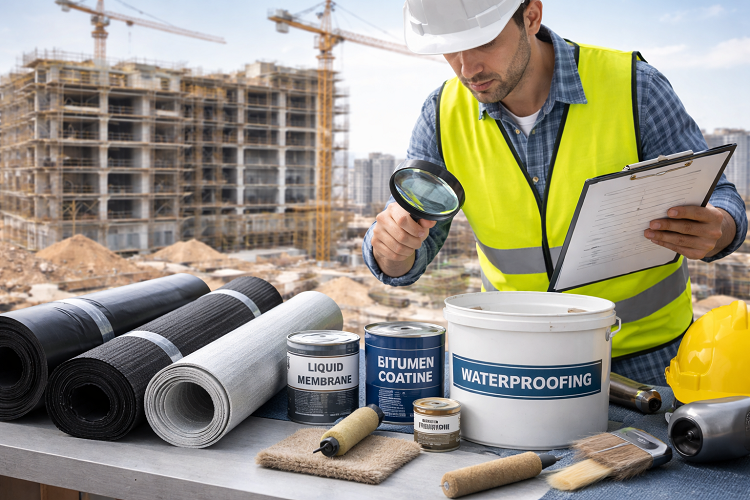
What really protects a building from the silent damage caused by water over time? Many people focus on structure, design, and finishes when constructing a building, but the real protection often comes from something that is hidden within the layers of construction. Water penetration may start small, but if ignored, it can lead to cracks, corrosion, mold growth, and expensive repairs.
For builders, property owners, and developers, choosing the right waterproofing approach is not just a technical decision. It is a long-term investment in the structure’s strength and durability. With so many waterproofing products available in the market today, selecting the right system can sometimes feel confusing.
In this guide, we will walk you through everything you need to know about waterproofing materials.
What Is Waterproofing In Construction?
Waterproofing in construction refers to the process of applying specialized materials and systems that prevent water from penetrating structural elements such as roofs, basements, walls, and foundations. The purpose is to create a protective barrier that stops moisture from entering the building structure.
Concrete, despite being strong and widely used, is naturally porous. This means water can slowly move through tiny capillaries within the material. Without proper waterproofing materials for concrete structures, water infiltration can gradually weaken reinforcement steel, cause cracks, and reduce structural durability.
Effective waterproofing solutions for buildings usually involve protective membranes, coatings, chemical treatments, and drainage systems that work together to block water ingress. When done correctly, waterproofing becomes an invisible shield that protects the entire structure. Professional waterproofing companies in Dubai focus on selecting the right combination of materials and techniques to ensure that the protection lasts for years.
Why Choosing The Right Waterproofing Material Is Important?
Selecting the correct waterproofing material is one of the most critical decisions during construction. Poor waterproofing does not always show problems immediately. Damage often appears slowly and may only become visible after significant structural deterioration has already begun. The right waterproofing materials for buildings help prevent several serious issues, including:
• If we pick a material that isn’t flexible enough, the first time the building settles, or the concrete expands due to heat, the membrane will crack.
• If we choose one that isn’t durable, the sun’s UV rays will degrade it within a few years, leaving our roof exposed.
• If we ignore chemical resistance, the material might break down when in contact with certain soils or cleaning agents.
Using the best waterproofing material for construction ensures that water resistance becomes part of the building system itself. Reliable waterproofing solutions for buildings can significantly extend the life span of the structure while reducing long-term maintenance costs. Experienced waterproofing companies in Dubai carefully evaluate the construction design before recommending the most suitable waterproofing materials.
Types Of Waterproofing Materials Used In Construction
• Cement-Based Waterproofing
• Liquid Waterproofing Membranes
• Bituminous Membrane Waterproofing
• Polyurethane Waterproofing
Each of these types of waterproofing materials serves a different purpose, which is why selecting the right one requires proper technical evaluation.
Key Factors To Consider When Choosing Waterproofing Material
When deciding how to select waterproofing system solutions, several technical factors must be evaluated carefully.
• Surface type
• Structural movement
• Application area
• Durability and maintenance
• Application and safety
• Budget vs. lifespan
• Exposure
High-quality waterproofing materials provide long-term resistance and reduce the need for repeated repairs. Experienced waterproofing companies in Dubai usually conduct detailed site assessments before recommending the right waterproofing solutions for buildings.
Waterproofing Materials For Different Areas Of A Building
Different areas of a structure require specialized waterproofing approaches. Roof waterproofing material: Roofs are one of the most exposed parts of a building. Popular roof waterproofing materials create a protective barrier that prevents rainwater penetration.
Basement waterproofing materials: Basements face constant pressure from surrounding soil moisture. Effective basement waterproofing materials often include membrane systems combined with drainage solutions that redirect water away from the structure.
Waterproofing materials for concrete structures: Concrete structures, such as foundations, columns, and slabs, require waterproofing systems that penetrate or bond with the concrete. Crystalline waterproofing and cement-based coatings are commonly used solutions.
Common Mistakes To Avoid When Selecting Waterproofing Materials
Even well-designed buildings can suffer from water damage when waterproofing decisions are not carefully planned. Some common mistakes include:
• Selecting waterproofing materials without evaluating the surface condition
• Ignoring expansion joints and structural movement
• Using the same system for every part of the building
• Poor installation practices
• Choosing low-quality materials to reduce costs
Working with professional waterproofing Companies helps avoid these mistakes and ensures proper system selection and installation.
Benefits Of Using High-Quality Waterproofing Materials
Investing in high-quality waterproofing materials offers several long-term advantages.
• Increased structural durability
• Reduced maintenance costs
• Protection against moisture-related damage
• Improved indoor comfort
• Higher property value
The best waterproofing material for construction acts as a protective layer that preserves the building structure for decades.
Tips To Ensure Long-Lasting Waterproofing Protection
• Conduct detailed surface preparation before applying waterproofing materials
• Follow proper curing and application procedures
• Perform regular inspections after construction
• Address minor cracks or damage immediately
• Use reliable waterproofing solutions for buildings designed for long-term durability
Conclusion
Choosing the right waterproofing is one of the most critical decisions we make in construction. It is the invisible armour that defends our concrete and steel from their greatest enemy: water. We’ve explored the landscape together, from the rugged reliability of bituminous membranes to the seamless intelligence of liquid-applied polymers and the futuristic self-healing capabilities of crystalline technology. We’ve learned that the waterproofing materials for buildings are not one size fits all; they must be matched to the specific area, the expected movement, and the environmental exposure.
At White metal, we focus on delivering reliable waterproofing solutions for buildings by combining industry expertise, high-quality materials, and professional installation. Are you ready to give your project the protection it deserves? Reach out to us at White Metal.
FAQ
What is the best waterproofing material for construction?
• The best waterproofing material for construction depends on the area being protected. Liquid membranes, bituminous sheets, and cement-based coatings are commonly used waterproofing materials for buildings and concrete structures.
Which waterproofing method is best for roofs?
• Many experts recommend liquid membranes or bituminous sheets as effective roof waterproofing material types because they create seamless protective barriers that prevent water penetration.
How long does waterproofing last?
• High-quality waterproofing systems can last between ten and twenty years, depending on the materials used, installation quality, and building maintenance.
Can waterproofing prevent structural damage?
• Absolutely. Proper waterproofing materials for concrete structures prevent water infiltration, which helps protect reinforcement steel, maintain structural strength, and extend the life span of the building.